

Description
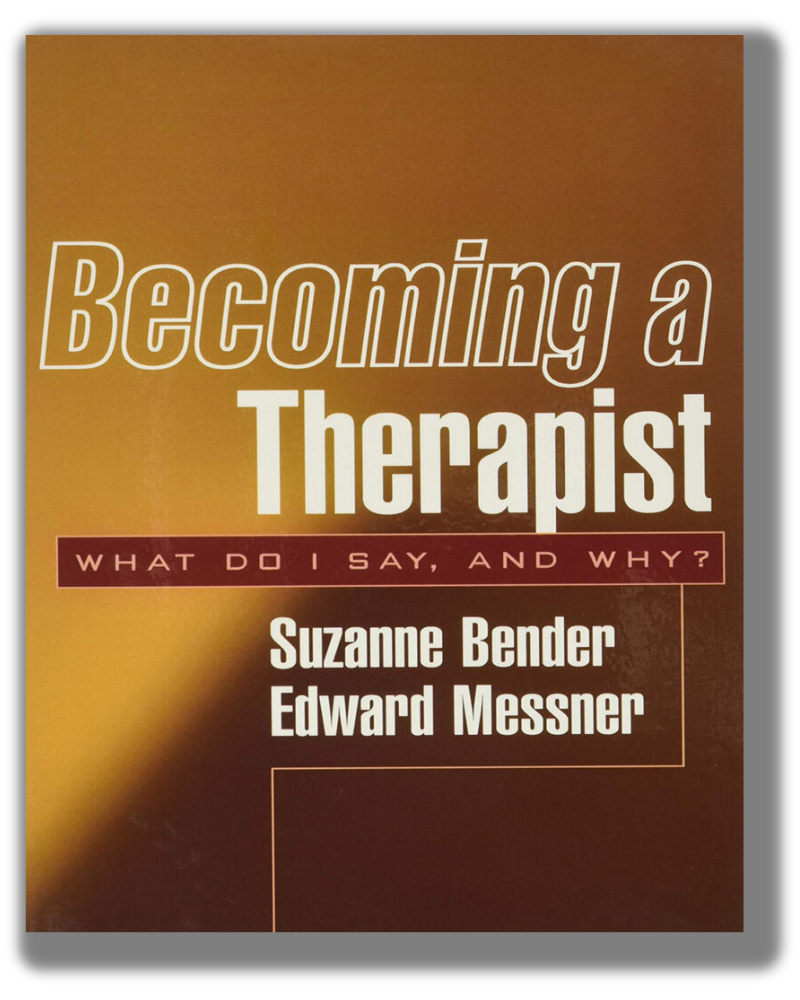
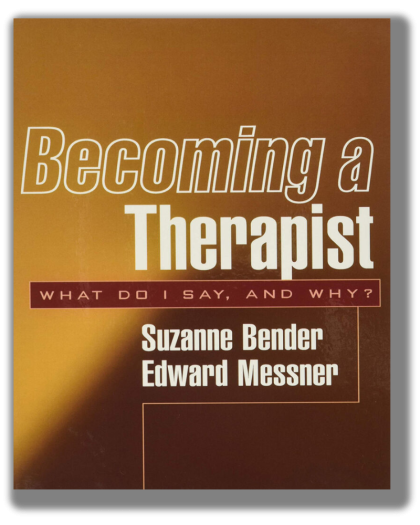
This book provides students and novice clinicians with nuts-and-bolts advice about the process of doing therapy, starting with the first contact with a new patient. Suzanne Bender, at the time a junior clinician, and Edward Messner, a seasoned practitioner and supervisor, provide a unique, combined perspective on how therapy is conducted, what works and what doesn’t work in treatment, and how to take care of oneself as a clinician. Organized around the treatment of one fictitious patient, with other case examples brought in as needed, the book speaks directly to the questions, concerns, and insecurities that beginning therapists typically face. Written with candor and empathy, it offers authoritative guidance for understanding and resolving common clinical dilemmas.
Hedwall (verified owner) –
Forced to read it for a class with my favorite professor. There’s a reason why she’s my favorite — this book tells it like it is, without all the filler. I am really liking it so far!
Sofia L. (verified owner) –
Not a perfect score because it is more geared towards Psychiatrist than counselors
Still it answered my questions and provides useful forms that can be adapted to fit your needs.
Highly recommend.
LaTania (verified owner) –
This is an awesome book. It provides detailed instructions on being a therapist, everything you need is right here. Great buy!
Enrique D. (verified owner) –
this helped me with my thesis, very easy to understand, obviously you need some sort of basic knowledge of psychology theory in your body….
Rachel Folger (verified owner) –
I thought that this book was an easy read an illustrated the many facets of counseling. I really enjoyed it.
AF (verified owner) –
Excellent book! I really enjoyed reading this book! Genuine and practical, it made it easier to start with my first therapy pt!
DaniT (verified owner) –
I’ve taught several courses for PhD students learning to do therapy, and there are some sections I think are potentially useful for beginners (e.g. what do I say the first time I call a client?). However, be aware that there is a strong psychodynamic bent to the book, so parts of it may be inappropriate if you are supervising from/learning a different theoretical orientation.
Shannon (verified owner) –
Very entertaining and educational booK. Would be especially helpful to new mental health providers. I found the author’s advice practical.
MLW (verified owner) –
This is a fantastic book for new therapists like myself. The authors’ knowledge on the subject seems very comprehensive and simultaneously makes the information accessible to a broad audience.
JG (verified owner) –
OK level
Liz G. (verified owner) –
This book has been tremendously helpful to me as a clinical social work intern conducting therapy. When I first started working with clients, I felt my classes and foundation year internship had prepared me well to “do” engagement and establish a therapeutic alliance. However, in spite of having studied several interventions, I felt fairly clueless as to how to move from the initial sessions into ongoing therapy. This book was an important part of finding that missing link. I like the examples of dialogues, and particularly the sections on issues such as therapeutic impasses and empathic failures, that help guide my own practice in tricky situations. I recommend reading this book as you are getting your feet wet doing therapy. I am not sure it would have resonated as much with me, or made as much sense to me, if I had read it before starting to practice. In the end, what will make you (and me) a good therapist is, along with key attributes such as empathy and active listening, sitting in that chair hour after hour and doing it. In the beginning, though, books like this one are an invaluable bridge between utter beginner and seasoned professional. I am grateful to have found this book.
Sarah (verified owner) –
One of the harder parts of being a new professional is coming up with the script- the many things you have to say over and over again. This book gives great suggestions on where to start formulating your own script around the usual business practices of activities such as scheduling, missed appointments, finances, etc.
I wish there was more on marketing on social media.
MegV (verified owner) –
This really helped me when I started my first job, even just as a mental health case manager providing intensive counseling services. It really helps you put into perspective what is most important – not necessarily what you say, but how you say it. There are also important ethical discussions in the book, which is always good. The discussion between both authors (beginner and advanced) is seamless.
Maria Astor (verified owner) –
Normally I am weary of reading books written by Psychiatrists because sometimes these books tend to be a little too technical. However, I have found this book to be quite practical with very good tips for how to approach a variety of clients and diverse psychological/psychiatric presentations.
Victoria Venturella (verified owner) –
This book is very helpful for a new therapist, it walks you through the beginning aspects of being with others in the therapeutic-client alliance. There are always things that go unsaid, this book helps to fill in those gaps in a way that speaks to the experience of a new therapist.
kbear (verified owner) –
Came in just as described. A great book with examples that a new counselor can follow easily.
jjzzcc (verified owner) –
I really enjoy the writing style of the author. She relates so well to her readers and is honest when she talks about herself and her experiences. I haven’t finished the book but the few chapters I have read were intriguing and helpful.
Anu Mathai (verified owner) –
Its a great text for beginners.
John Duffy (verified owner) –
Lots of good information
JR (verified owner) –
I really liked this book. I got it when I was feeling unprepared to start see psychotherapy patients during my psychiatry residency. This book was relevant, answered so many of my questions, provided example conversations, was easy to read and understand, and made me feel more confident going in to see my first patient. Before my first patients, I was spinning around in my head with a thousand “what ifs”, and I was so grateful to have help sorting through some of those contingencies that were not addressed in my classes. A year later, I still reference the book occasionally. When we started seeing our therapy patients a few weeks later, one of our highly respected faculty members actually recommended everyone in my class read this book as we were getting started! I recommend this book to anyone who wants help figuring out what in the world to do during those difficult situations that come up in therapy.
Katie Tribbett (verified owner) –
Wonderful book for new therapists! It has been an extremely helpful resource!