




Description
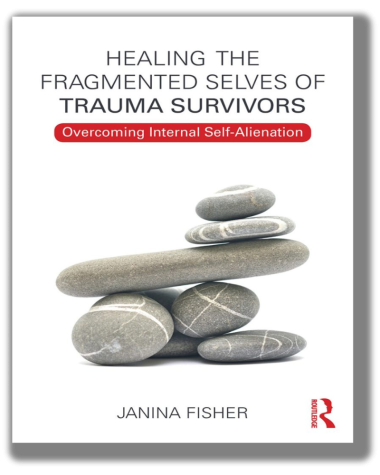
Healing the Fragmented Selves of Trauma Survivors integrates a neurobiologically informed understanding of trauma, dissociation, and attachment with a practical approach to treatment, all communicated in straightforward language accessible to both client and therapist. Readers will be exposed to a model that emphasizes “resolution”―a transformation in the relationship to one’s self, replacing shame, self-loathing, and assumptions of guilt with compassionate acceptance. Its unique interventions have been adapted from a number of cutting-edge therapeutic approaches, including Sensorimotor Psychotherapy, Internal Family Systems, mindfulness-based therapies, and clinical hypnosis. Readers will close the pages of Healing the Fragmented Selves of Trauma Survivors with a solid grasp of therapeutic approaches to traumatic attachment, working with undiagnosed dissociative symptoms and disorders, integrating “right brain-to-right brain” treatment methods, and much more. Most of all, they will come away with tools for helping clients create an internal sense of safety and compassionate connection to even their most dis-owned selves.
Betty (verified owner) –
As a trauma survivor, and someone in recovery from DID, this book is proving to be so powerful for me. I have read very widely on trauma and have learned a little bit from many authors; but this book goes so much further because Fisher brings together understandings from neuroscience; together with learnings of Internal Family Systems Therapy, the Structural Dissociation model and Sensorimotor Psychotherapy, in a way that it’s all so applicable to my daily life. Written in a very easy to read style, Fisher walks her talk making sure it’s as accessible to trauma survivors as therapists, ensuring that any technical concepts are explained in easy to understand language. It’s written with such compassion that Fisher’s compassion can’t help but rub off on us as we read!
This book makes sense of so much that never made sense to me before. I can at long last understand why the parts only hear “the bad stuff”; why the messages I’ve been trying to get through to them about how safe we are now have been falling on deaf ears. I understand why I ended up so destabilised each time I went into therapy in the past – despite well-meaning therapists, I can see that they simply lacked the understanding of what was going on in my brain and how to work with me without destabilising me. I finally get why it’s not about what happened to me so much as about what is continuing to go on inside of me. The book is an absolute wealth of information, and I’m going to have to read it over and over to take it all in – there are so many explanations for things that I thought weren’t explainable!
I’m living proof that the model that Fisher teaches really works. After giving up on going into therapy again, after too many attempts that just resulted in day to day life becoming unmanageable while in therapy, Fisher’s teachings inspired me to have another go. I found a therapist trained in IFS and Sensorimotor Psychotherapy, and even though it’s very early days I’m already starting to work with my parts in a way I’ve never been able to before. I feel better and more settled at the end of a therapy hour than the beginning, and I’m already better able to manage triggering. This model really works!
My wish is that every single trauma survivor looking for answers, and every single therapist, be able to read this gem of a book. I salute and truly appreciate Janina Fisher for her curiosity and desire to find ways to make therapy work for us severely traumatised folk, and for making her learnings and skills so accessible to so many via this book.
Daniel Shaw (verified owner) –
Fisher’s achievement in this book is monumental and should be required reading for anyone working with trauma survivors. Few clinicians working with trauma are as able as Fisher to integrate research and theory into a brilliant, effective clinical approach that can be readily studied and applied by other clinicians, and at the same time be a guide for clients suffering from the effects of trauma as well. Fisher distills her vast knowledge and expertise in a way that makes every sentence of her book profoundly insightful. At the same time, she succeeds in making her book extremely practical and useful. She generously laces theory with poignant clinical examples that give a clear, usable picture of how and why she works the way she does. This is my always on hand, indispensable guidebook for my work with trauma survivors. Every clinician should give themselves the gift of reading and learning from Dr. Janina Fisher.
Jenn (verified owner) –
If I had to recommend one book on complex trauma, it would be this one over the books by Bessel van der Kolk, Pete Walker, Alice Miller, Peter Levine, Sebern Fisher, or Onno van der Hart. This book provides intuitive and empowering guidance for survivors on how to develop a new relationship with life, and more importantly, with themselves. Despite previous desires of being adopted/rescued, I have learned through the course of healing that therapists and others can shine the light for me, but ultimately I have to welcome the child parts home. Thank you Dr. Fisher for writing this beautiful book and for everything that you have done for trauma survivors. I will be reading this book again and again for the rest of my life.
Kate (verified owner) –
As a psychiatrist/psychoanalyst and a trauma survivor, I have treated traumatized patients, been a traumatized patient, and read widely in the field. I think Janina Fisher brilliantly synthesizes the latest findings in trauma research and neurobiology and lays out a strategy for psychotherapy that takes into account all we know of trauma and abuse. The stories of her patients make the theory and practice come to life. She does not shy away from the difficult topics in this field like extremely self-destructive patients, and severe attachment trauma and how it disrupts the therapeutic relationship. She has a deep and compassionate understanding of trauma survivors. It should be required reading for all trauma therapists and trauma survivors.
Morgan (verified owner) –
Next to my Bible, this book is the most fantastic resource I have come across for understanding life pain and human dysfunction. Ms. Fisher does not write from a religious perspective. She is a highly trained and experienced clinician with extensive professional experience in deeply understanding and working with individuals who have suffered from and have been debilitated by traumatic life events, whether in childhood or as an adult. (Most of us have experienced, or will experience, trauma in life … or we know those who have). Ms. Fisher is the quintessence of enlightened compassion towards those who have experienced trauma. She “gets” what you have experienced, how it has impacted you, and how you react to the damage in ways you don’t even understand. She provides a very hopeful, tangible roadmap for overcoming internal self-alienation and the mystifying self-defeating behavioral dysfunction that occasions the trauma survivor, and she provides an informed and believable and actionable conceptual and theoretical framework for how to return to one’s resilient, normal self and re-enter one’s productive life with much greater compassion for self and others. In my opinion, every human being on the planet would greatly benefit from reading and understanding the concepts Ms. Fisher brilliantly lays out for us in this excellent book. I give it my highest recommendation.
Melodie Frances (verified owner) –
This book is extremely helpful and readable. I found myself underlining many of the passages.
The author brings current research on trauma and the brain and the body into this book, both to describe how DID is created, how to navigate the very complex aspects of it, and how the author believes it is best treated. The text is heavily referenced and has a lengthy bibliography at the end of each chapter.
I found this book so helpful that I bought it in hardbound (the paperback version was starting to have pages fall out).
Highly recommended, especially for its integration of somatic aspects of DID. Both those with a lot of knowledge about DID and those who are just learning about it should find this book very helpful.
Kathy in Decatur, GA (verified owner) –
This is the absolute best book I have found on trying to heal from dissociative identity disorder. It is geared toward practitioners and clients both.
It is also geared mostly toward people who have complex trauma histories and don’t have the same inner world as someone with DID. However, I felt like much of what is written for non-DID folks, I felt like I could apply to my system of DID parts. When I started reading this book I was able to apply some really important concepts and was able to become much more stable in two weeks time.
Unfortunately, my therapist was not as interested in becoming an expert on this particular methodology as she has already studied so many other similar models. So, if you have DID, it may be a little harder to do this on your own, at least that is how I felt. I made great progress, but would have loved to have made more, but there were just some quandaries unique to DID that I would have loved to have help exploring if more was offered in the book for those with DID.
I so wish this author would write a new book directed specifically to those with DID because there are few practitioners who really understand it as deeply as this author does.
This book is definitely worth reading if you are motivated to get better and change your way of thinking. I imagine it is also great for practitioners to help their clients.
Steve George (verified owner) –
to chris further down: i think you misread or misunderstood what the book is saying. in no way does it suggest anywhere to leave clients to figure things out by themselves.
it is actually a brilliant and VERY lucid roadmap for the work — integrating an enormous amount of knowledge, research and experience. i cannot recommend it highly enough. as for dr. fisher herself — in my experience of her as a trainer she is warm, responsive, attuned, undogmatic and available. she is also extremely knowledgeable and experienced. no doubt she is no different as a clinician. i highly recommend this book to anyone interested in trauma work.
Sauce (verified owner) –
Wow! This is a really interesting read that provides a new perspective for me. Although the concept is abstract, I felt it was easily understandable. As writing can differ from real-life situations, I’m still curious how this would look in practice.
William M (verified owner) –
I cannot recommend this book enough. For any therapists working with clients who have traumatic pasts or dissociative disorders like DID, OSDD type1 or BPD this book is extremely thorough and informative. For people who are working through these issues, this books is very validating and helpful in pathworking and parts therapy. Excellent work!
Chayala S. (verified owner) –
I’m so sorry if you went through any trauma. This book is so essential for any trauma you’ve been through. It gives you an understanding. You see that you’re normal and good. It gives you realistic hope. You can heal , no matter how deep you’ve been hurt. I wish you all a complete and deep healing, the world needs you, and the world needs more people like you!!
Anna LeBaron<span class="a-icon a-profile-verified-badge"><span class="a-profile-verified-text"></span></span> (verified owner) –
Great resource for anyone who has experienced trauma.
Mariedtiger (verified owner) –
This book was life changing for me. The structured writing, the compassionate tone and the way the lived experience of someone experiencing inner alienation became articulated and tangible in this book was immensely helpful. It took a scary experience, normalized it for a trauma survivor and gave the reader ways to cope and understand themselves better.
Jessie A (verified owner) –
The top comment on the back states:
“…how to treat clients that many deem hopeless …”. Sue Johnson, PhD.
As one of those clients, I felt very saddened and insulted by this. I get that Dr. Johnson is not alleging that these clients are hopeless but it made me feel bad about my treatment.
Tessa (verified owner) –
Throws so much light on why we do what we do.